The routine that matters most
If you only do five things, do these. Use a clean vase. Recut the stems at an angle. Strip every leaf that would sit below the waterline. Put the flowers into clean water with proper flower food if you have it. Change the water every day or two in Singapore, and recut a little from the stems each time.
That sounds simple because the real problem is simple: cut flowers are trying to keep drinking after their roots are gone. Iowa State Extension says a clean vase, fresh cuts, removal of submerged foliage, floral preservative and regular water changes all help prolong cut-flower life. UMass explains that many preservatives combine clean acidified water, a biocide and sugars because flowers need water uptake, microbial control and some carbohydrate support.
Singapore makes the timing tighter. The Meteorological Service Singapore says our climate has high humidity all year, mean annual relative humidity around 82%, and daytime maximum temperatures usually around 31-33C. A care routine written for a cool room in a temperate country can be too slow here. I would rather you change the water before it smells, not after.
| When | What to do | Why it helps |
|---|---|---|
| When flowers arrive | Unwrap gently, recut stems, remove low leaves, place in clean water | Opens water channels and keeps leaves from rotting in the vase |
| Every day | Check water level and remove any collapsed petals or leaves | Prevents dry stem ends and reduces mouldy material |
| Every 1-2 days | Change water, rinse vase, recut stems | Reduces bacteria before stems clog |
| If water clouds early | Change it immediately | Cloudiness is a sign the vase is no longer clean |
| At night if possible | Move the vase to a cooler room | Slows water loss and flower ageing |
Why flowers fail faster here
Heat drives transpiration. Even after cutting, flowers keep losing water through leaves and petals. Illinois Extension explains that cut flowers continue metabolic processes including transpiration, and that slowing metabolism helps prolong vase life. In a warm Singapore room, stems can lose water faster than they can pull it up, especially if the cut ends are blocked or the vase is not clean.
Bacteria are the next problem. Purdue Extension says bacteria can multiply and clog the water-conducting tubes of flower stems, causing wilting. Iowa State Extension gives the same practical answer: wash vases, keep leaves out of the water, and change water when it turns cloudy or smells. Here, I do not wait three days as a rule. Warm water turns quickly.
Humidity brings a different problem. Botrytis, or grey mould, loves damp flower tissue. UC IPM says flower petals are especially susceptible, spores need moisture to germinate, and the disease is troublesome under high humidity. In a flat with windows closed after rain, or flowers left in damp wrapping, soft petals can spot, brown and collapse even when the stems are still drinking.
Where to place the vase
The best place is cool, bright and calm. Not dark and stuffy. Not in hard sun. Not directly under the aircon. Iowa State Extension says cut flowers should be kept in a cool, brightly lit location away from heat sources and drafts. Illinois Extension also warns against direct sunlight, heat and ripening fruit, because those conditions speed ageing.
In a Singapore home, I watch for three ordinary trouble spots. The first is the west-facing window, where afternoon sun can cook a bouquet even in a beautiful vase. The second is the kitchen counter beside bananas, mangoes or apples. UMass notes that ripening fruit and vegetables produce ethylene, and ethylene can cause flower ageing, bud failure and other damage in sensitive flowers. The third is a direct aircon stream, which can dry petals and bend soft stems.
A HDB dining table away from the window is often better than a sunny balcony. An office reception counter is fine if it is not under the vent. For hospital deliveries, the room may be cool, but strong air movement can still dehydrate petals. If you see the flower heads crisping at the edges while the water is still clean, move the vase first before blaming the flowers.
Flower food and home hacks
Proper flower food is not magic powder. It is chemistry doing three jobs. UMass says many cut flowers benefit from a solution with sugars and a dilute biocide, with water acidified so flowers absorb better. Illinois Extension describes floral preservatives as containing an acidifier, bactericide and sugars to prevent bacterial growth and provide food.
Plain sugar is not the same. Sugar can feed some flowers, but without a biocide it can also feed microbes in the vase. UMass notes that the optimum sugar concentration varies by flower, and that some flowers can be damaged by too much sugar. This is why I do not like random spoonfuls. If you have the packet, use the packet at the right dilution.
The home remedies are mixed. Iowa State Extension says home concoctions such as aspirin, bleach, lemon-lime soda, mouthwash, rusty nails, pennies, lemon juice, vinegar and sugar do not work as well as floral preservative, and some may shorten vase life. Illinois Extension is a little kinder to carefully balanced sugar, bleach or citrus soda, but still says the florist packet is the better first choice. My practical answer is simple: use proper flower food, or use clean water and good hygiene.
- Sugar alone: not enough, and can dirty the water.
- Bleach drops: can suppress microbes, but the dose is easy to get wrong.
- Aspirin or coins: not a reliable substitute for flower food.
- Clean water: better than a badly mixed home remedy.
Roses, hydrangeas and tulips
Roses usually fail by bent neck, petal bruising or dirty water. FloraLife's rose vase-life testing found that flower food improved rose vase life compared with water alone, though the benefit varied by variety. In Singapore, I keep roses away from hot windows, remove low leaves, and recut stems when the water is changed. If the head starts bending at the neck, the stem may not be taking up water well.
Hydrangeas are thirsty and dramatic. They can look perfect, then wilt suddenly. A North Carolina State summary on cut hydrangeas found that floral preservatives increased hydrangea vase life in its study, and UMass lists Hydrangea 'Limelight' vase life averaging 11 days in a postharvest example, with a six-day minimum. At home, keep their water clean and generous. Do not let the vase run low.
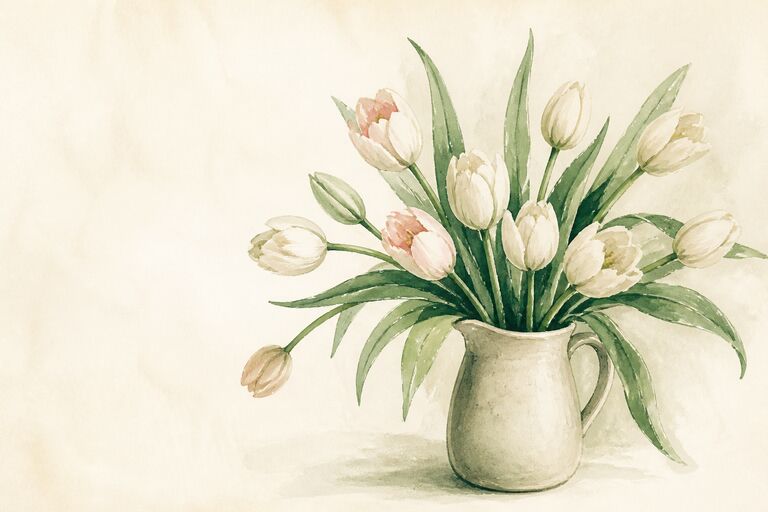
Tulips behave differently. Iowa State Extension says most cut tulips last about one week and continue to elongate after harvest. University of Maryland Extension says cut tulips can grow up to six inches in a vase and that bent stems may remain bent if they wilt before being supported. Give tulips clean cool water, rotate the vase if they lean toward light, and accept that the bouquet will change shape. I cover buying details separately in where to buy fresh tulips in Singapore.
Peonies, sunflowers and lilies
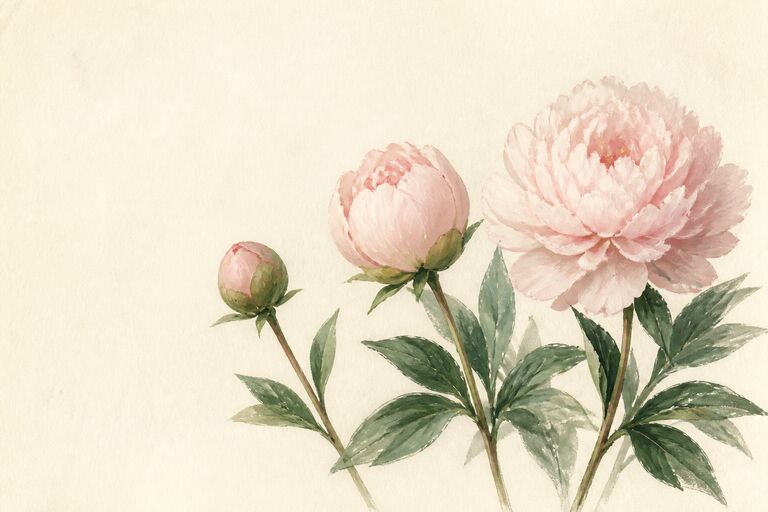
Peonies are soft, seasonal and sensitive to handling. Singapore florist pages commonly describe peony vase life around 5 to 7 days or 5 to 10 days with proper care. They often arrive tight, then open over a few days. Keep them cool, remove any damaged outer petals gently, and do not trap damp petals inside wrapping. If you want to understand why they are seasonal here, read where to buy peonies in Singapore.
Sunflowers are sturdier, but they still need clean water. UMass reports that most of 14 tested sunflower cultivars had vase life of 8-11 days using floral preservatives, while selected cultivars lasted longer. Remove lower leaves, use a vase heavy enough for the heads, and change water before it turns cloudy. Sunflower stems can make water dirty quickly if too much foliage sits below the waterline.
Lilies are long-lasting when handled well, but they bruise and they can be ethylene-sensitive. University of Maryland Extension says freshly harvested lilies have a vase life of 9 to 14 days depending on cultivar and environment, and that lilies should be kept away from ripening fruit, maturing foliage and other ethylene sources. Remove pollen carefully when the flowers open if staining matters.
When the arrangement is not in a vase
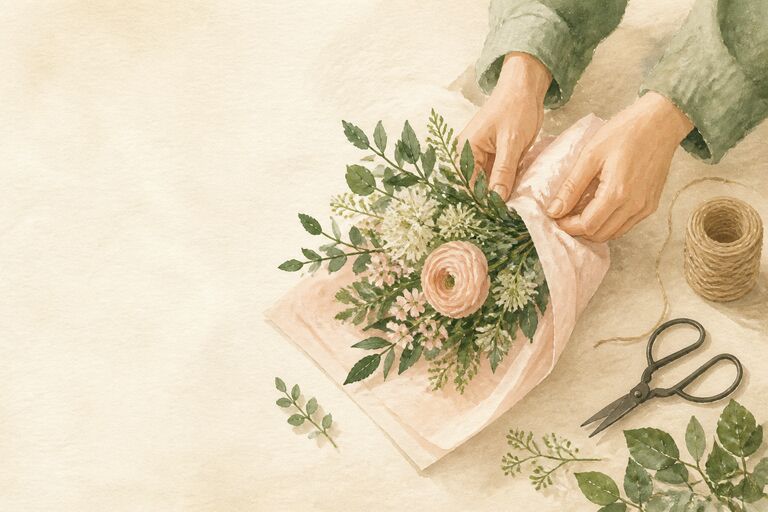
Some flowers arrive wrapped as a hand bouquet. Some are placed in floral foam. The care is slightly different. For a hand bouquet, move it to a vase as soon as you can if you want maximum life. The hydration wrap is for transport, not for days of display. Recut the stems before placing them in water.
For floral foam, keep the foam moist. Do not pour water only over the flower heads. Add water slowly at the base so the foam can take it up. If the arrangement is sitting in an office pantry, near a photocopier or beside a sunny glass wall, move it. Heat still matters even when the stems are not visible.
At my studio, the full bouquet collection is built around seasonal stems chosen for colour, softness and longevity. I still cannot make a fresh flower ignore Singapore weather. What I can do is choose stems carefully, condition them properly, and give you care instructions that match the place where the bouquet will actually live.
My Singapore care checklist
Start clean. A dirty vase can undo a good bouquet in one day. Wash it with hot soapy water, rinse well, and do not leave old leaves clinging inside. Cut stems with a sharp knife or shears. Crushed stem ends take up water poorly, and blunt scissors can make the problem worse.
Keep the water honest. If it is cloudy, change it. If it smells, you waited too long. If leaves are underwater, remove them. If petals drop into the vase, take them out. These small things are not fussy. They are how you keep bacteria and mould from winning in a warm room.
Then watch the flowers. Roses want clean uptake. Hydrangeas want plenty of water. Tulips want cool water and room to move. Peonies want gentle handling. Sunflowers want support and clean stems. Lilies want space, careful pollen removal and distance from fruit. Fresh flowers will not last forever, but in Singapore, two minutes of care every day usually gives you the best of them.
Questions I get asked
- How often should I change flower water in Singapore?
- Change vase water every day or two in Singapore, and sooner if it turns cloudy or smells. Warm rooms make vase water dirty faster than cooler-climate guides suggest. Each time you change the water, rinse the vase, remove fallen petals or leaves, and recut a little from the stems.
- Should I put flowers in direct aircon?
- No. A cool room helps fresh flowers, but a direct aircon draught can dry petals, bend soft stems and stress the arrangement. Place the vase in a cool, bright spot away from the vent. If petal edges look crisp while the water is still clean, move the flowers out of the airflow.
- Does flower food really work?
- Yes, proper flower food can help because it usually combines sugar, an acidifier and a biocide. Those ingredients support bloom opening, water uptake and microbial control. Use the packet at the stated dilution. Do not replace it with random sugar, aspirin or coins, because those do not do the same balanced job.
- Can I use bleach, sugar or aspirin in the vase?
- A carefully formulated preservative is better. Extension sources warn that home mixtures such as aspirin, coins, sugar, vinegar or bleach do not work as well as commercial floral preservative and may shorten vase life if mixed badly. If you do not have flower food, clean water, a clean vase and frequent water changes are safer.
- Why do flowers go mouldy in Singapore?
- Singapore's humidity encourages petal diseases such as botrytis, especially when petals stay damp or old flowers are left in the arrangement. Remove browning petals, avoid trapping flowers in wet wrapping, give the bouquet some air around it, and keep it away from stuffy, damp corners after rain.
- Why should flowers be kept away from fruit?
- Ripening fruit releases ethylene, a plant hormone that can age sensitive cut flowers early. UMass notes that ethylene can come from ripening fruit and vegetables and may cause bud failure, abnormal development or flower death in sensitive species. Keep bouquets away from fruit bowls, especially in warm kitchens.
- How long should fresh flowers last in Singapore?
- It depends on the flower and the room. Tulips often last about a week, lilies can last 9 to 14 days in good conditions, and some sunflower cultivars tested at 8 to 11 days with preservatives. Peonies and roses vary more by opening stage and handling. Heat, dirty water and direct sun shorten all of them.
- Should I unwrap a bouquet before putting it in water?
- Yes, if you want the longest vase life. Transport wrapping helps the bouquet travel, but flowers need a clean vase and fresh water for display. Remove the wrap gently, recut the stems, take off leaves below the waterline and place the bouquet somewhere cool, bright and away from direct sun or aircon.
Where these figures come from
- Singapore's climate has high humidity all year, a mean annual relative humidity around 82%, and temperatures that usually reach about 31-33C by day. — Meteorological Service Singapore
- Iowa State Extension advises using a clean vase, removing foliage below the waterline, making a fresh cut, adding floral preservative and changing water regularly for cut flowers. — Iowa State University Extension and Outreach
- UMass explains that cut-flower preservative systems commonly use clean acidified water, biocides and sugars to improve water uptake, control microbes and support flower longevity. — UMass Amherst Center for Agriculture, Food, and the Environment
- Purdue Extension states that bacteria can multiply and clog the water-conducting tubes of flower stems, causing wilting. — Purdue University Extension
- UC IPM states that Botrytis infects flower petals readily, spores need moisture to germinate, and grey mould is troublesome under high humidity. — University of California Statewide IPM Program
- Illinois Extension says cut flowers continue metabolic processes including transpiration, and recommends keeping bouquets away from heat, direct sunlight and ripening fruit. — University of Illinois Extension
- UMass notes that ethylene is produced by ripening fruits and vegetables and can harm sensitive flowers by causing abnormal bud development, failure to open or death. — UMass Amherst Center for Agriculture, Food, and the Environment
- Iowa State Extension says home concoctions such as aspirin, bleach, lemon-lime soda, mouthwash, rusty nails, pennies, lemon juice, vinegar and sugar do not work as well as floral preservative. — Iowa State University Extension and Outreach
- Illinois Extension describes floral preservatives as containing acidifier, bactericide and sugars and says a florist-provided flower food packet is the preferred option. — University of Illinois Extension
- FloraLife rose vase-life testing found that properly mixed flower food increased vase life for rose varieties compared with water alone. — FloraLife
- A North Carolina State summary reports that floral preservatives increased cut hydrangea vase life in a water pH and soluble salts study. — North Carolina State University Horticulture Document Library
- UMass reports Hydrangea 'Limelight' vase life averaging 11 days in a postharvest example, with a six-day minimum. — UMass Amherst Center for Agriculture, Food, and the Environment
- Iowa State Extension says cut tulips usually last about one week and continue to elongate after harvest. — Iowa State University Extension and Outreach
- University of Maryland Extension states that tulips can continue to grow after cutting, up to six inches after being placed in a vase, and that bent stems may remain bent after hydration. — University of Maryland Extension
- Singapore florist pages commonly describe peony vase life around 5 to 7 days or 5 to 10 days with proper care. — Floristique
- UMass reports that most of 14 tested sunflower cultivars had vase life of 8-11 days using floral preservatives. — UMass Amherst Center for Agriculture, Food, and the Environment
- University of Maryland Extension says freshly harvested lilies have a vase life of 9 to 14 days depending on cultivar and environment, and should be kept away from ethylene sources. — University of Maryland Extension